Adult Logo Design

Brand uilding starts with a strong logo, dont skimp here.
Any of the big ones, as long as what you ask for is not sexual. The mainstream chat and image tools are excellent at the parts of a porn site that have no porn in them, and that is about half the design work.
What they are good for:
- Logos and brand marks. Ask for a wordmark in three styles, pick one, then have it refined. Say "adult entertainment brand" if you want, but do not describe sexual imagery or the request gets refused.
- Color and type. A palette that works on dark backgrounds, two fonts that pair, contrast that passes accessibility checks. AI is faster than a mood board.
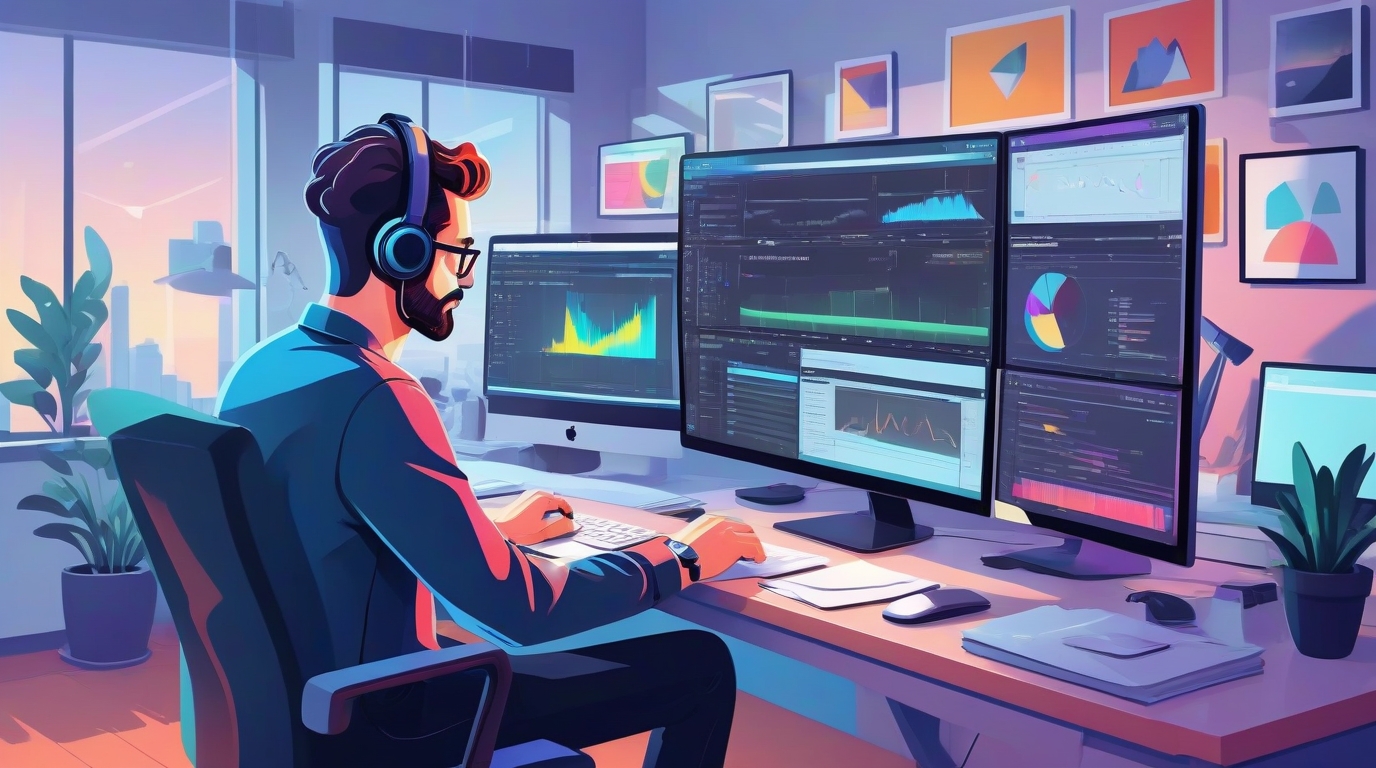
- Layout code. The join page, the member area, the gallery grid, the video player page. A coding assistant will write the HTML, CSS and JavaScript for any of these. It does not care what the site sells. The next section covers this in depth.
- Backgrounds, icons and decoration. Abstract art, textures, icon sets, hero backgrounds with nobody in them.
- Alt text, meta descriptions and schema. Write them from the page's facts. Keep them honest, because Google reads alt text as a description of the image, and a lie there is a spam signal.
- Legal page drafts. Privacy policy, terms, DMCA page, 2257 statement page. Drafts only. Our website legal page lists what each has to say, and a lawyer signs off.
What gets an account banned: describing sex acts, nudity, or "make it sexier" prompts. Google's generative AI policy bans pornographic output. Midjourney bans nudity and sexualized imagery. Leonardo bans explicit pornography. Trying to trick the filter is a terms violation even when it works, and the ban usually takes your business email with it. Keep one account for the safe-for-work work and never point it at the explicit side.
The explicit images, thumbnails and previews come from open models on your own GPU. That pipeline is covered further down this page and in AI Content.